
The Power of Outside Perspective
The year was 1977, and the skies of New York were filling with architectural and engineering marvels. One of them—the brand-new Citicorp Building—was anything but conventional. It wasn’t designed to stand out for the sake of attention, but to solve a very real real-estate problem.
Enter St. Peter’s Lutheran Church.
The church, with a long history on that corner, refused to sell its land to the new neighbors—something that would normally halt a project of this scale. But instead of killing the idea, this constraint sparked one of the most fascinating engineering solutions ever attempted.
A Constraint Turned Solution
While the church wouldn’t sell its land, it did sell the air rights above the building. Structural engineer William LeMessurier embraced the challenge by designing what looked like a “cut-out” at the base of the skyscraper. The tower would cantilever over the church, supported by massive columns placed at the center of each side rather than the corners—leaving room for both the church and a subway entrance below.
At 915 feet tall, the building faced countless design challenges, none more complex than managing wind loads. Because of its unusual shape, crosswinds introduced forces the structure wasn’t originally expected to endure. On paper, the steel system appeared sufficient.
But there was a problem no one saw coming.
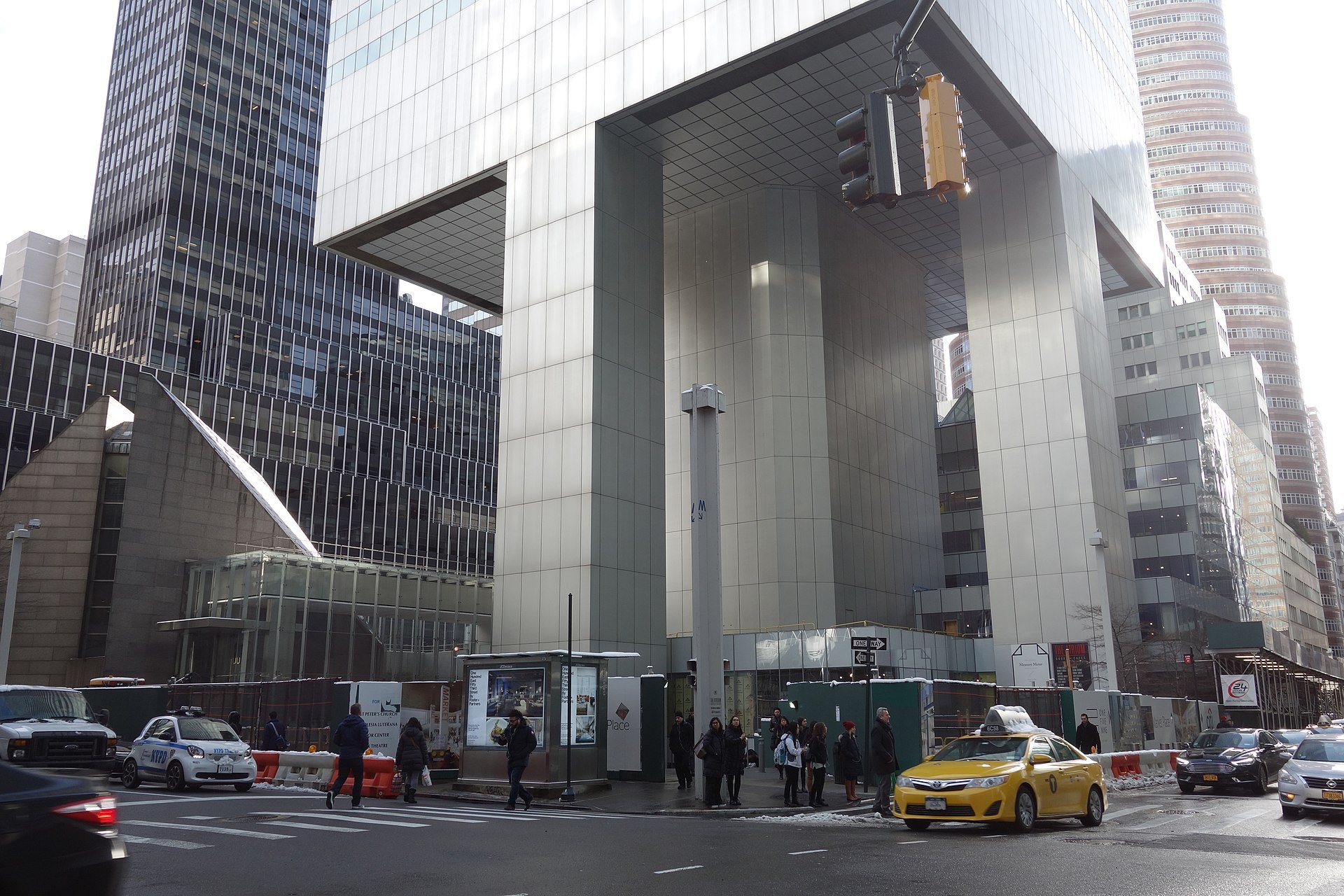
Citigroup Center Taken aken on 22 March 2018, Photo Credit - Tdorante10
An Unlikely Hero
Diane Hartley, a Princeton engineering student, chose the Citicorp Building as the subject of her thesis. As she ran her own calculations, she noticed a potential structural weakness under certain wind conditions.
Instead of dismissing the concern—or assuming someone more experienced must have caught it—she made a bold decision: she called William LeMessurier.
To his credit, he didn’t brush her off. He listened. He rechecked the math. And he realized she was right.
What followed was a quiet, urgent operation—steel reinforcements installed overnight, after workers had gone home, to ensure the building’s stability. One outside perspective—shared courageously and received humbly—prevented a future catastrophe.
Why Leaders Need Outside Perspective
At its core, creative leadership is problem-solving. It’s designing ideas, navigating constraints, and shaping solutions that impact real people. And the longer we lead, the easier it becomes to get trapped inside the four walls of our own thinking.
We dismiss outside voices because:
• We assume they lack credibility.
• We fear being exposed or discredited.
• We see it as a waste of time.
But what if we saw outside perspective as an asset—one that could adjust our ideas just a few degrees and land them in a far better place?
Here are two practical ways to invite it in:
Communication
Before rolling out a big idea, vision, or change, ask someone outside your immediate circle to review it. The goal isn’t approval—it’s clarity. A small tweak in language can make the difference between confusion and buy-in.
Problem Solving
When tackling complex challenges, invite trusted voices who aren’t in the room but may be affected by the outcome. They might offer the one insight that turns a good solution into the right one—or reveal that you’re solving the wrong problem altogether.
The Bottom Line
Creative leaders need outside perspective to avoid four-walled thinking, tone-deaf decisions, and drifting from reality. William LeMessurier had the courage to listen. Diane Hartley had the courage to speak.
Together, they turned a potential failure into a quiet success—and modeled the kind of leadership the rest of us should aspire to.

Jonny Mac
Founder of House Blend Creative
& Unlocked Confernce
